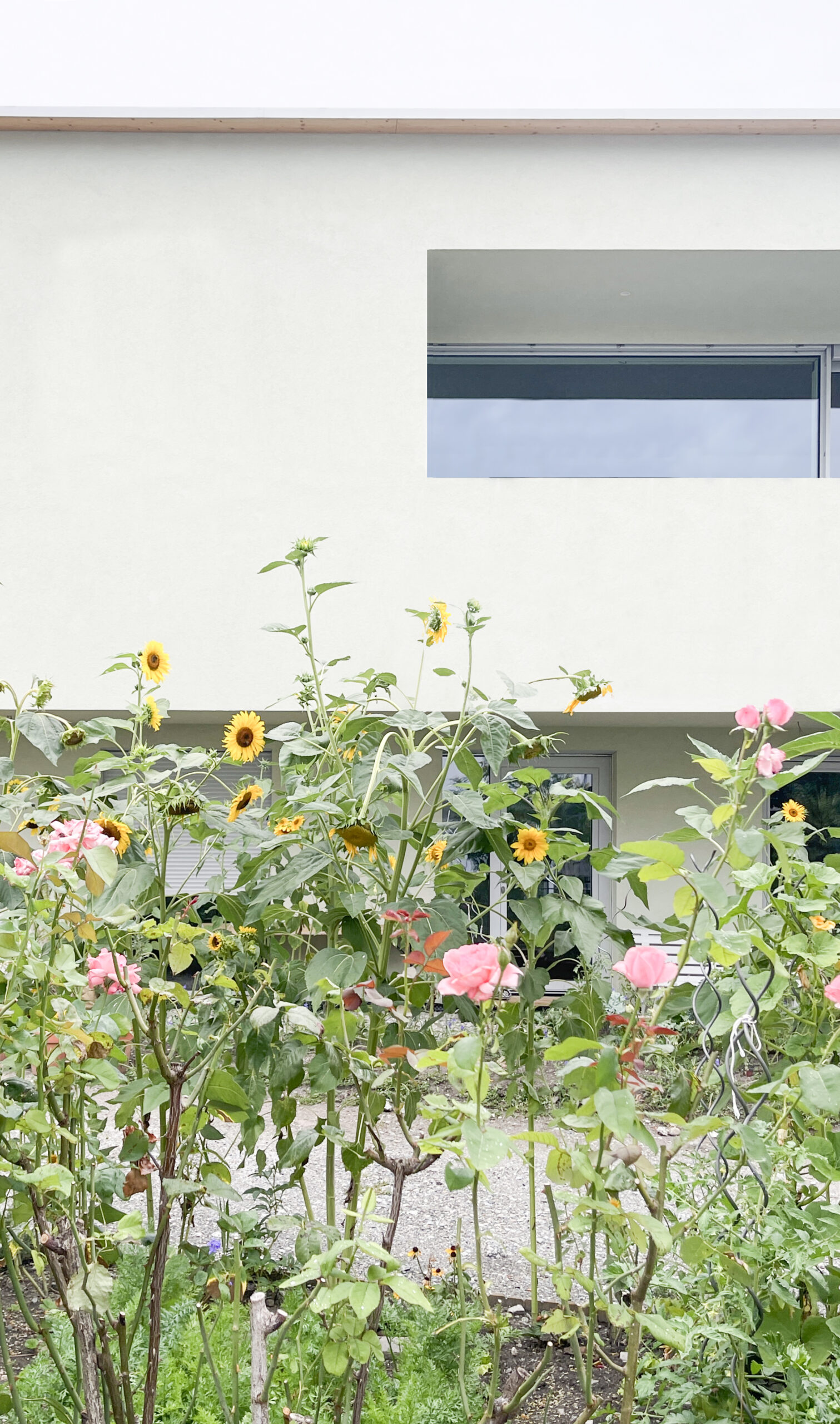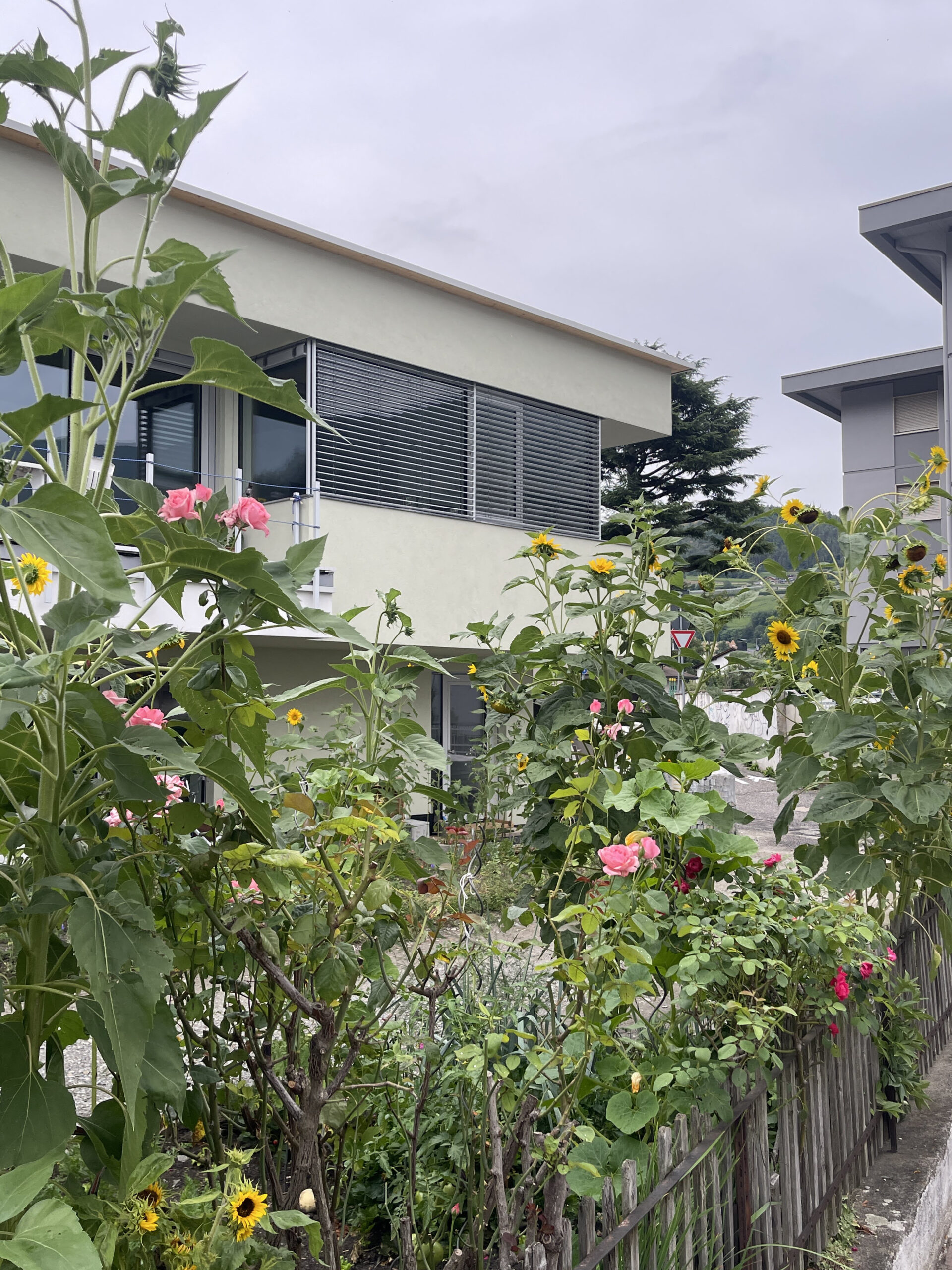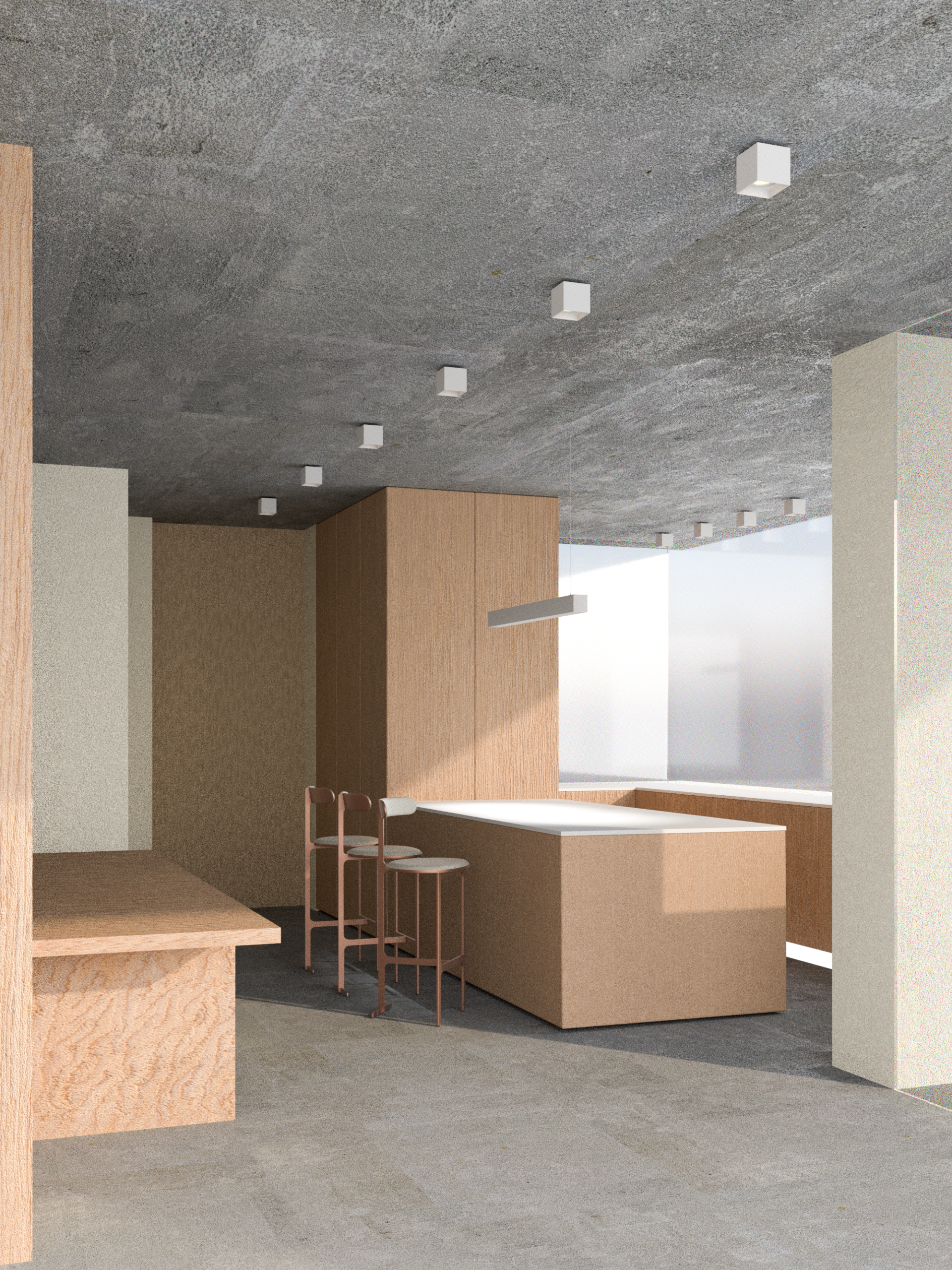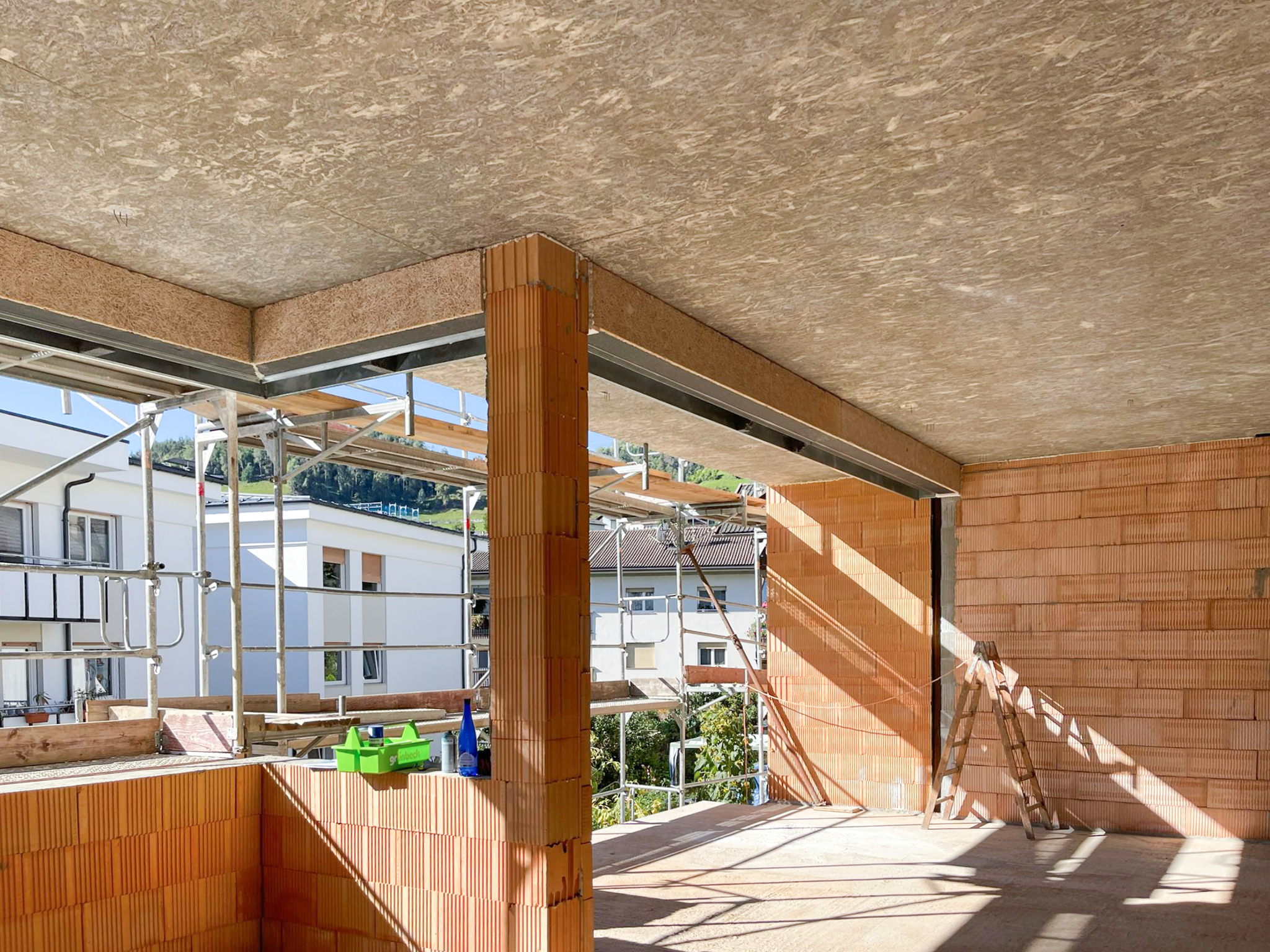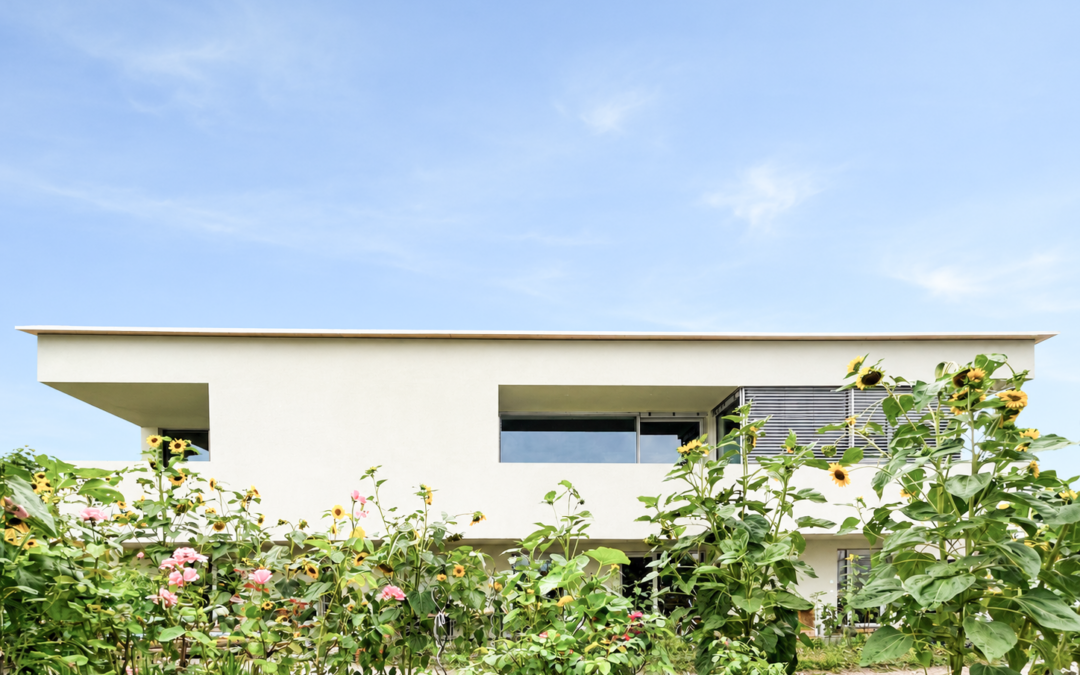
A house can be visually flawless and still fail in everyday life.
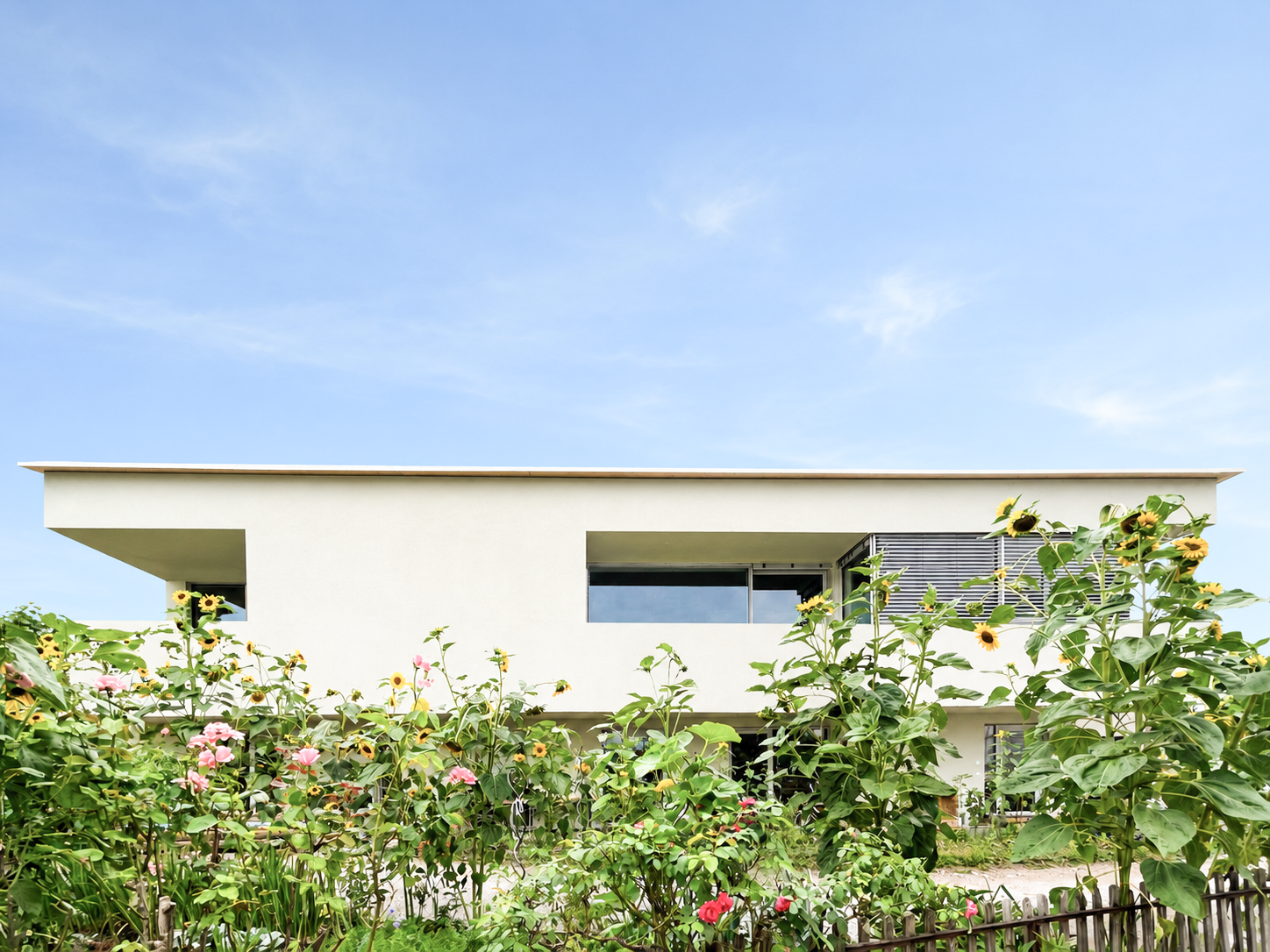
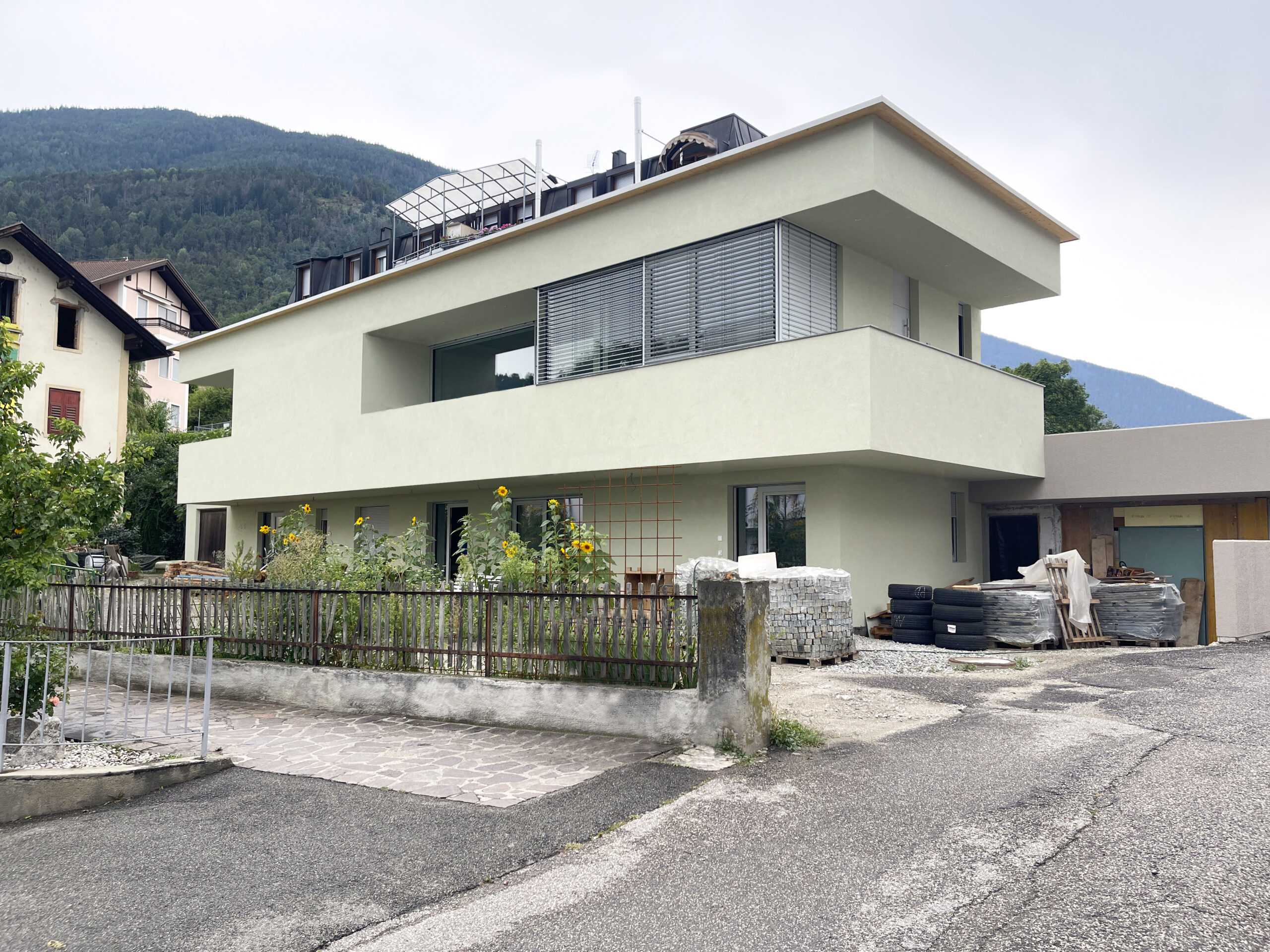
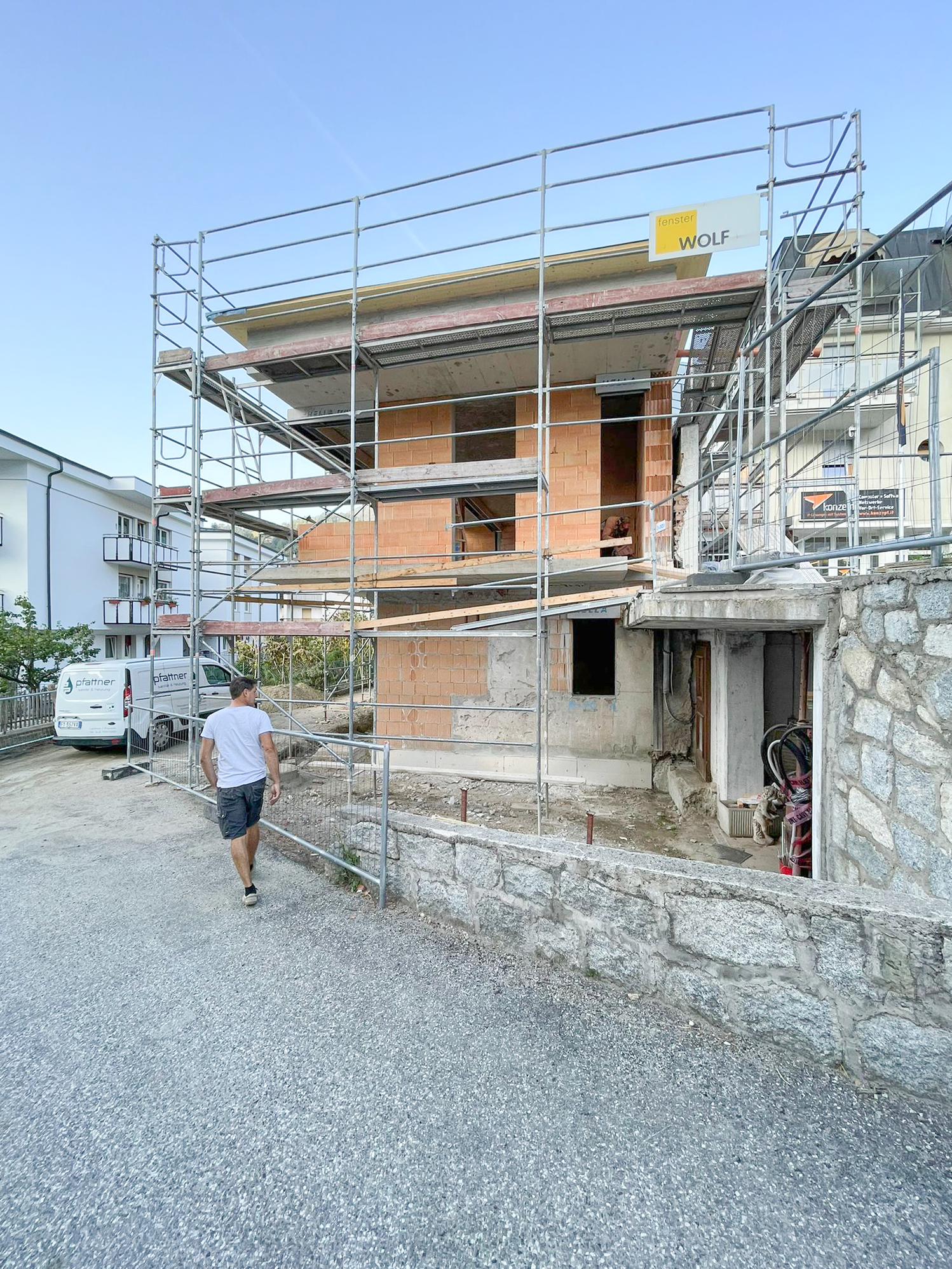
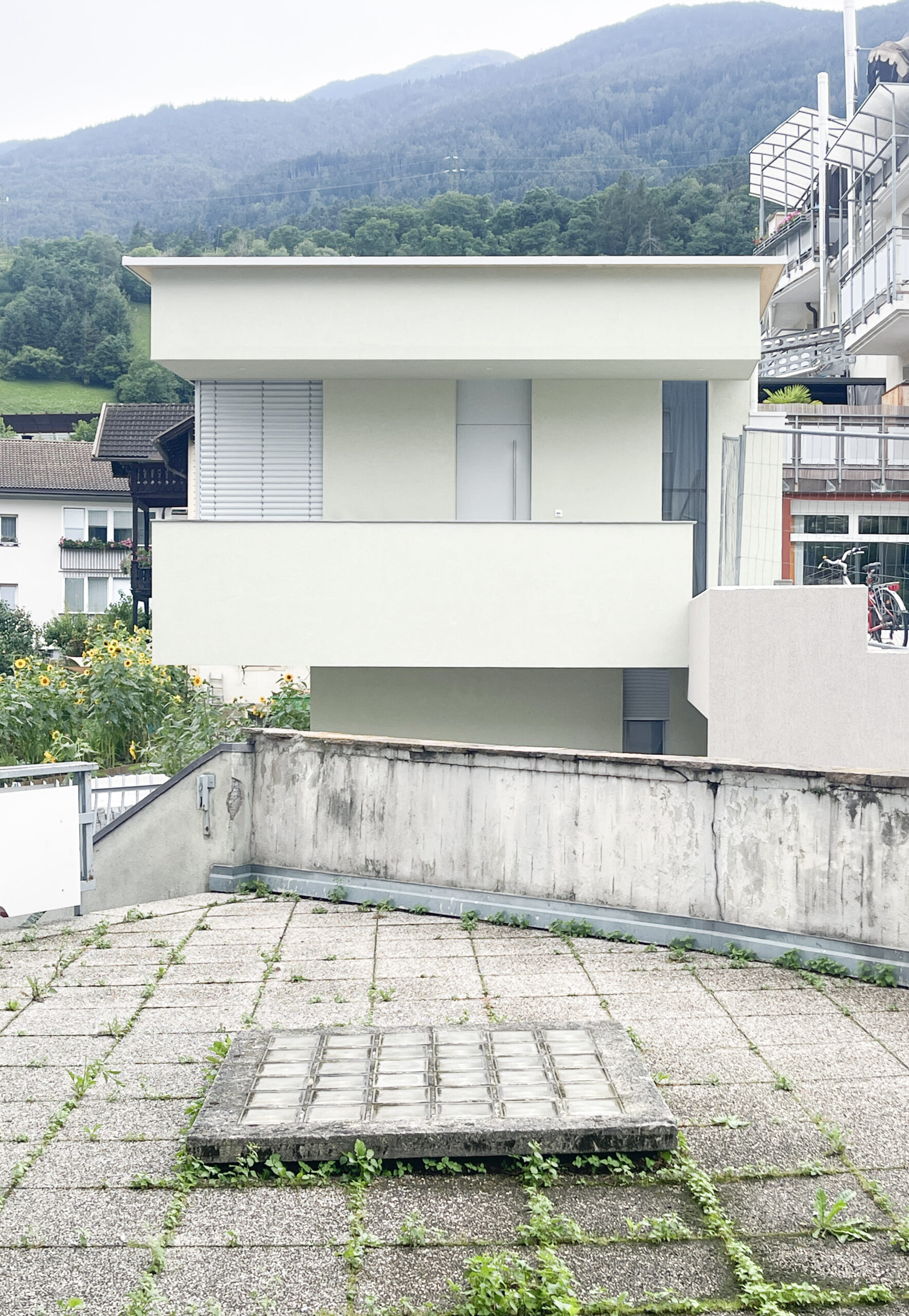
This happens far more often than most people realise. It happens when a project stops at the image and never truly engages with the experience of living in the space. While working on a semi-detached house in Umbria, this became particularly clear once again. Living well in a home means much more than simply appreciating how it looks in a photograph.
It means moving naturally from one room to another. Experiencing the right balance between openness and intimacy. Having light where it is needed and shade where it adds comfort. Feeling a sense of wellbeing that is difficult to explain but becomes evident every day. These are quiet, almost invisible qualities. They do not attract immediate attention, yet over time they define the relationship between people and the spaces they inhabit.
A high-quality architectural project begins long before materials, finishes or furniture are selected. It begins with less obvious decisions, the orientation of the building, the proportions of the rooms, the sequence of spaces, the visual connections between interior and exterior environments, the management of daylight and the control of acoustics. It is within these often unseen decisions that the difference is made between a house that is merely attractive and one that is genuinely enjoyable to live in.
There are many details that have a profound impact and are rarely discussed. The best light is not the brightest light, but the most carefully controlled. A room performs better when it is designed in section as well as in plan. Just a few additional centimetres in height or depth can completely transform the perception of space. Acoustic comfort contributes as much to everyday wellbeing as thermal comfort, yet it is frequently overlooked. A thoughtfully designed home also ages more gracefully, without the need for constant aesthetic updates.
For me, designing consciously means starting with the real habits and needs of the people who will live in those spaces, not with reference images taken from magazines or social media. It means designing light, proportions and circulation before thinking about furniture. It means selecting materials that respond to everyday use and stand the test of time. Architecture, interiors and details are treated as parts of a single coherent system. It also means accepting that simplicity is often the most difficult result to achieve.
In my view, the role of an architect is not to add more. It is to remove what is unnecessary so that what truly improves the quality of living can emerge. As an architecture studio based in Foligno, every project we develop in Umbria starts from this principle. Before considering how a house will look, it is essential to understand how it will be lived.