
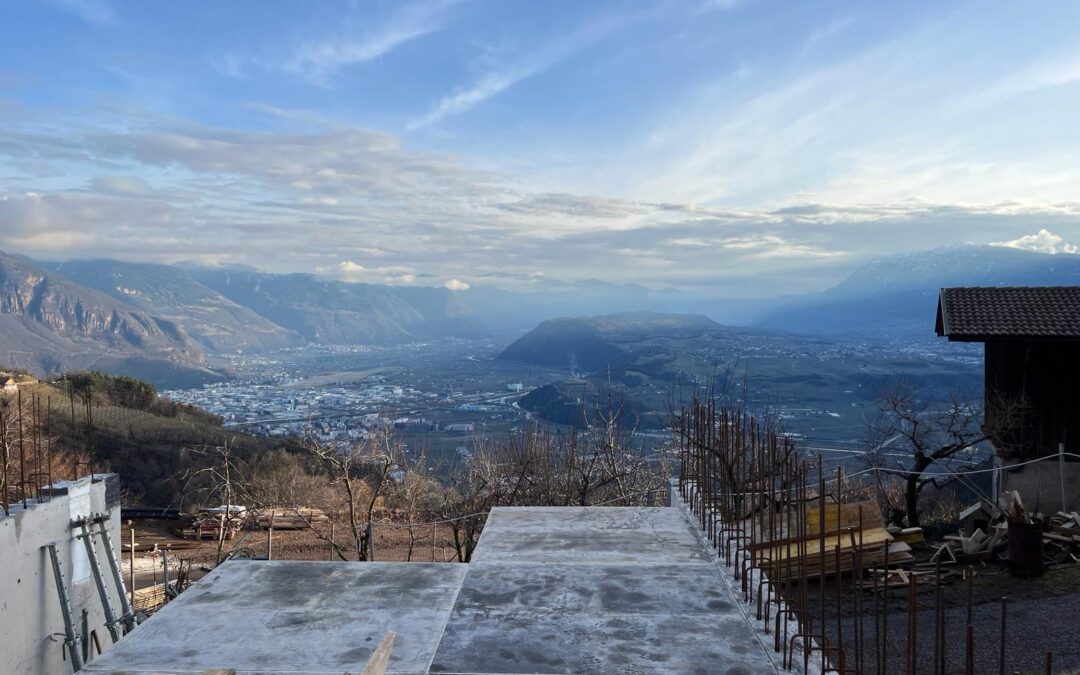
At some point, almost every client dreaming of a new home encounters a word that seems to bring every possibility to a halt: restrictions.
Protected landscapes, heritage regulations, conservation areas, planning constraints. The reaction is often the same, accompanied by a hint of disappointment: does this mean that nothing beautiful can be built?
The answer is no. In many cases, the opposite is true. Designing within protected contexts, whether in Umbria or Tuscany, regions defined by some of Italy’s most distinctive landscapes, simply requires a greater level of awareness. It means understanding the character of a place, respecting its proportions and engaging with its context rather than ignoring it.
A well-conceived project is designed from the outset with approval in mind. That is not a matter of luck, but of method.
In practical terms, this means shaping building volumes that sit naturally within the landscape rather than dominating it. It means selecting materials that belong to the local construction tradition, stone, natural plaster and timber, while interpreting them through a refined and contemporary architectural language. Most importantly, it means beginning the design process with a clear understanding of the rules rather than discovering them halfway through the approval process.
Working with planning authorities, heritage bodies and environmental regulations should not be seen as an obstacle to overcome through clever shortcuts. It is a technical and cultural dialogue. When a project genuinely respects the place in which it is built, approvals are often achieved more smoothly and more quickly than many people expect.
The result is architecture that feels rooted in its surroundings. A home that does not appear imposed on the landscape but becomes part of it while maintaining a distinct and contemporary identity. Elegance and integration are not opposing objectives. They are simply two expressions of the same design philosophy.
Working across the landscapes of Umbria and Tuscany, among historic villages and protected countryside, is a privilege. Every project becomes an opportunity to demonstrate that constraints cease to be limitations once they are properly understood. Instead, they become an essential ingredient of architectural quality.