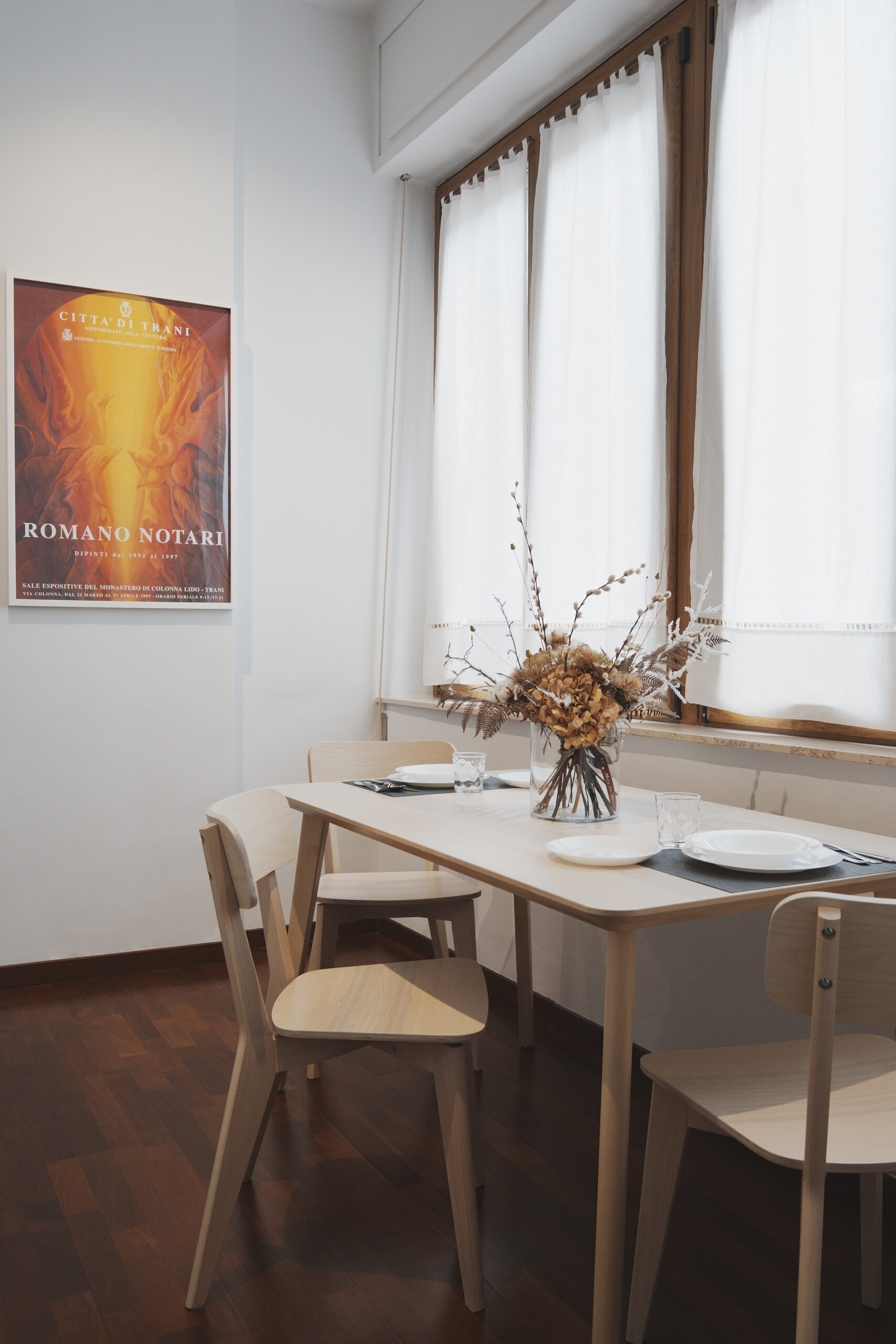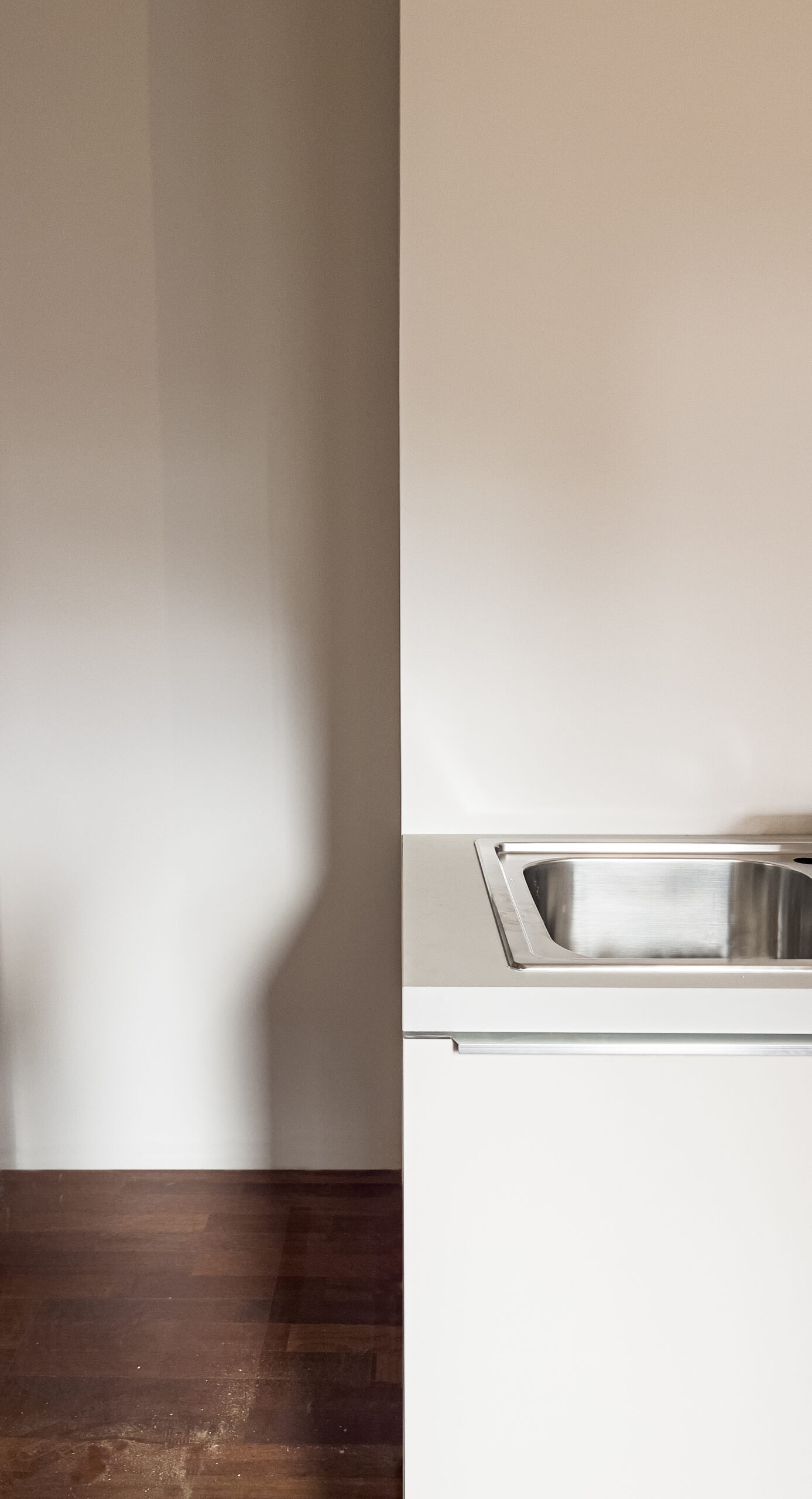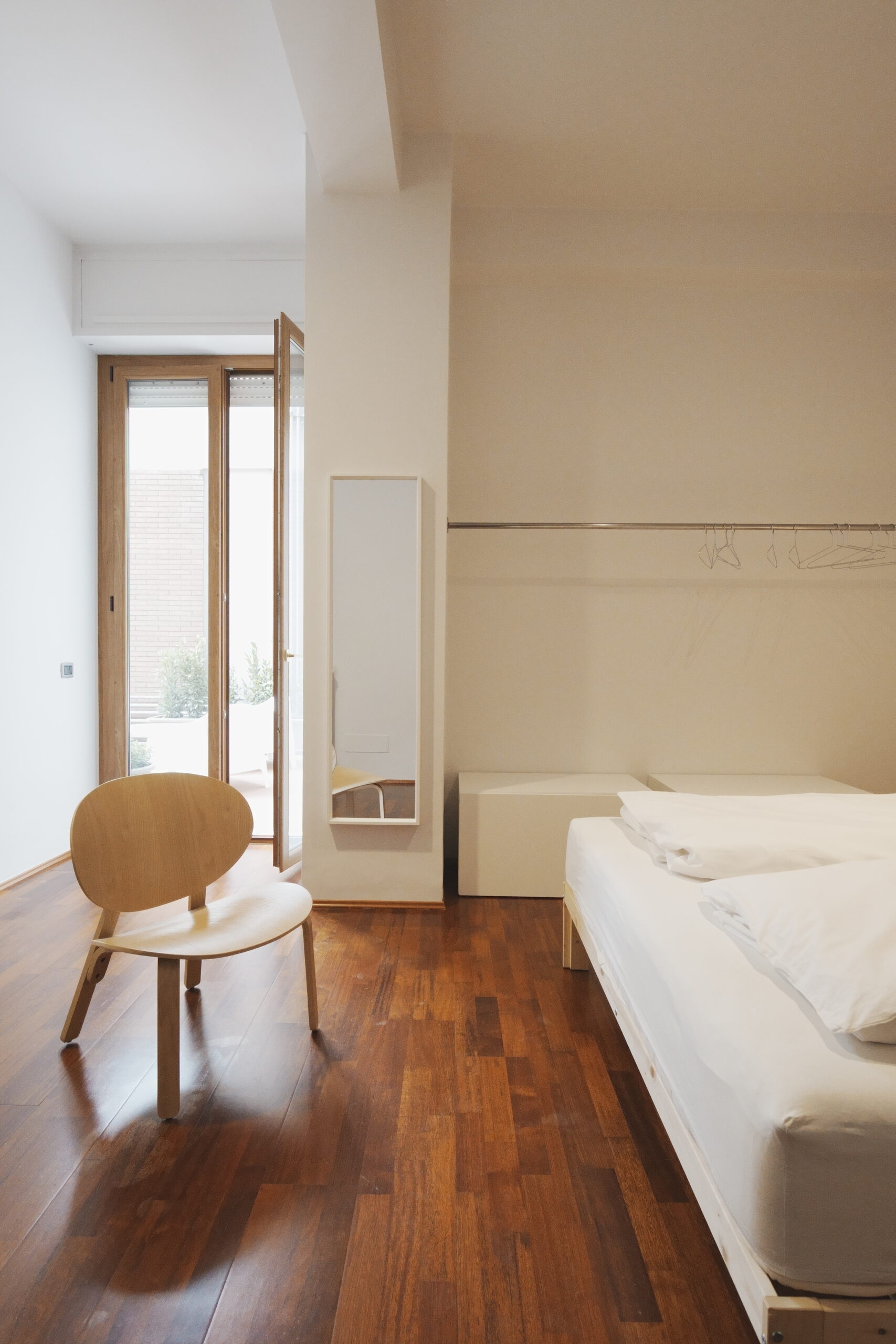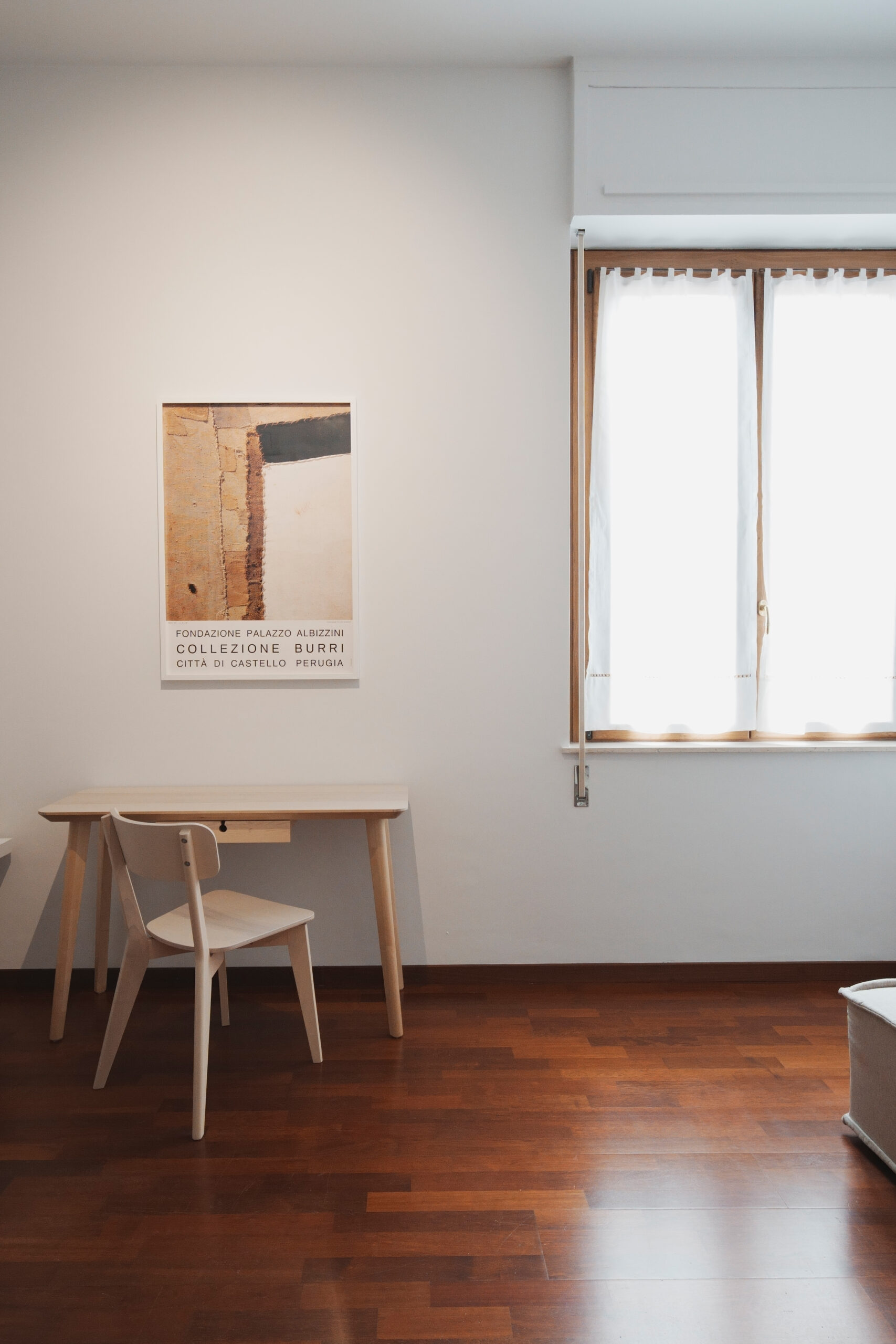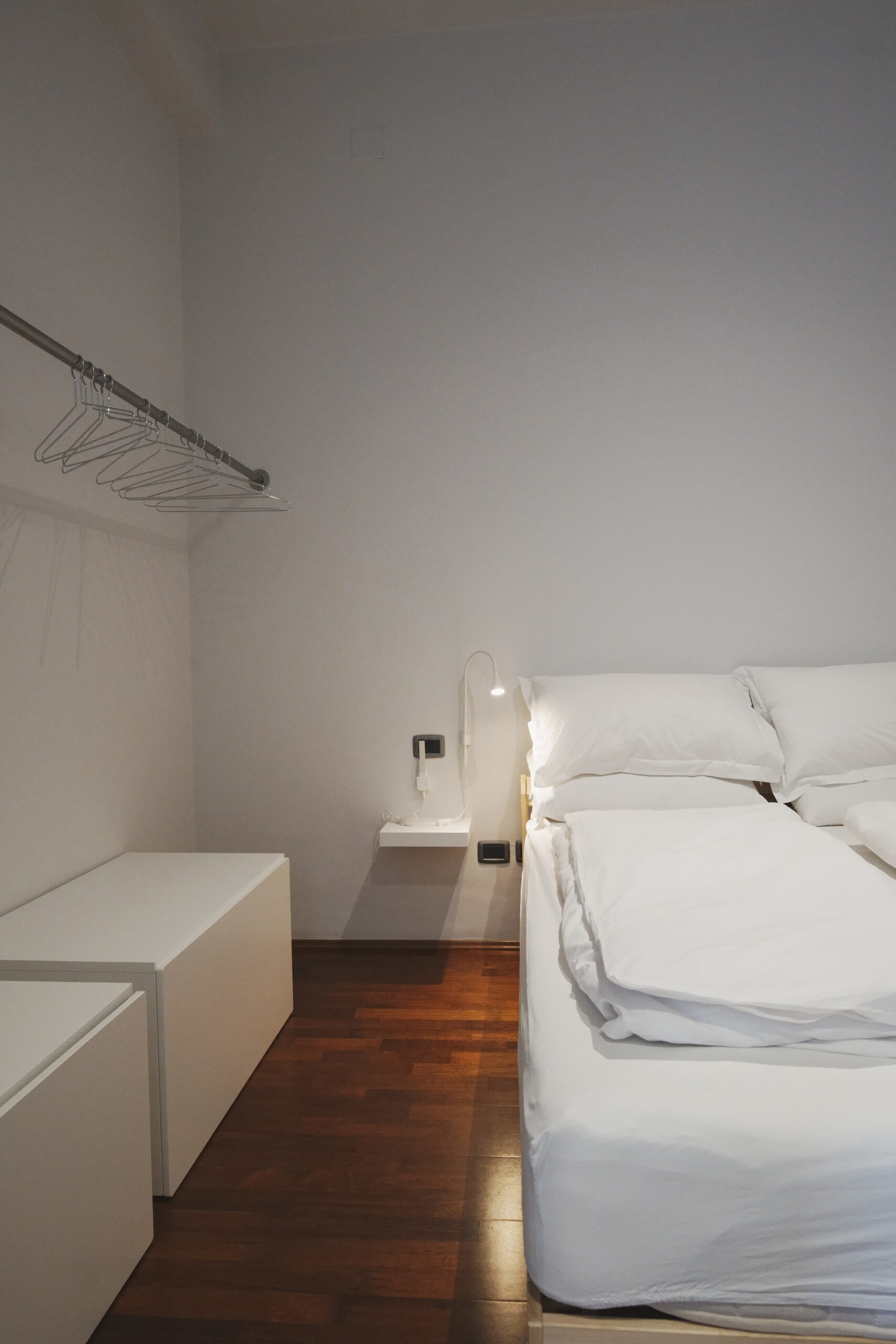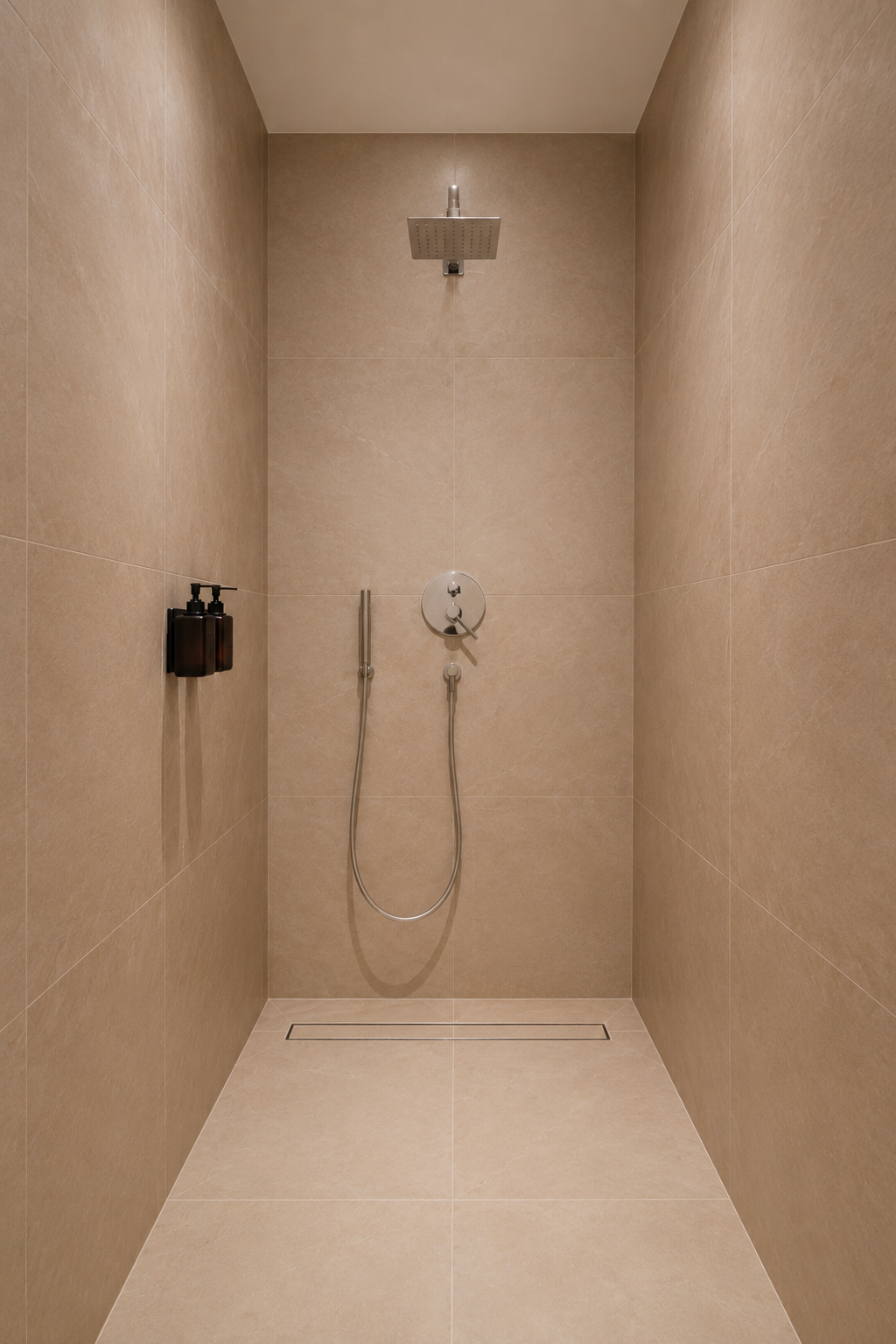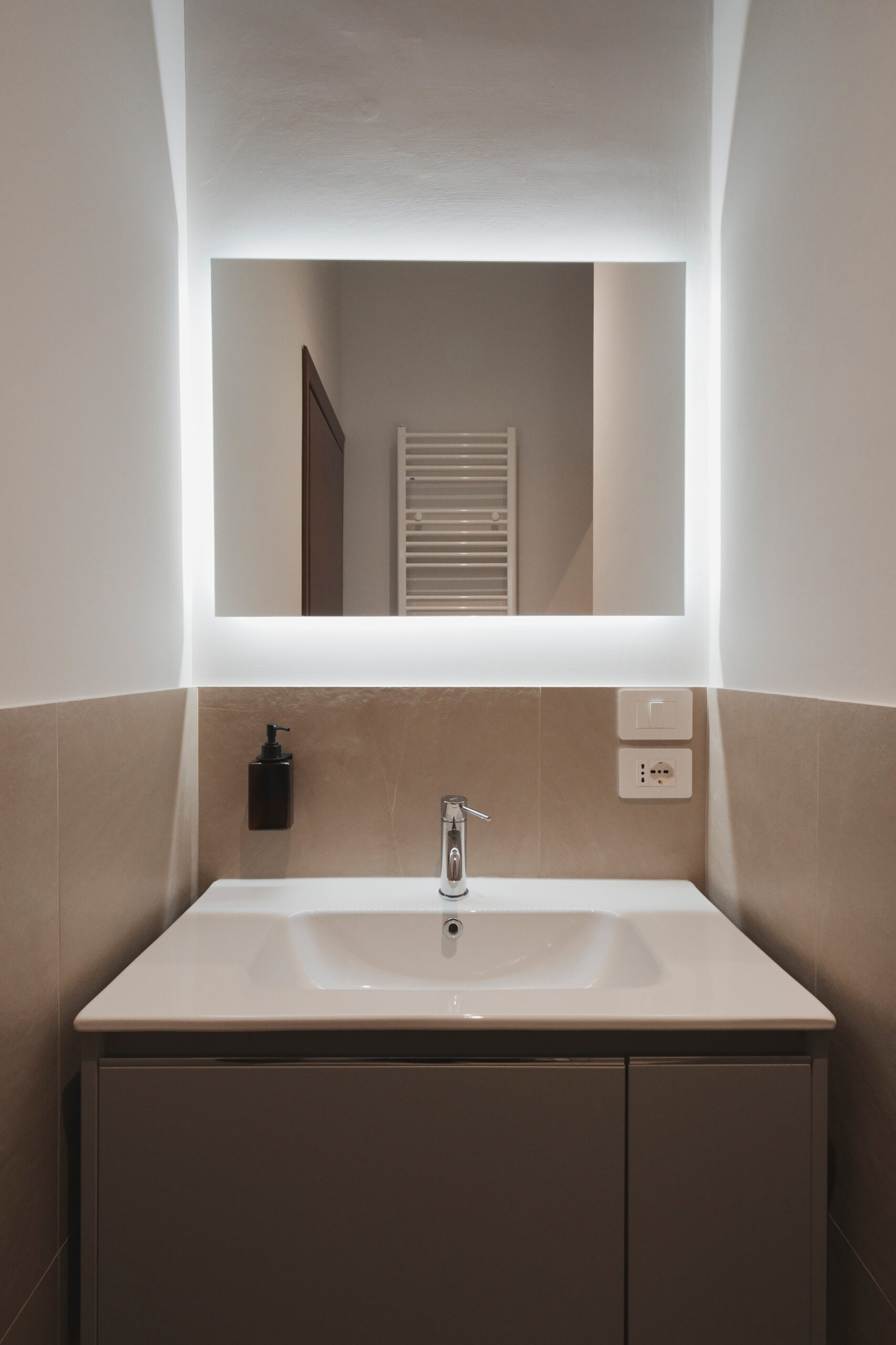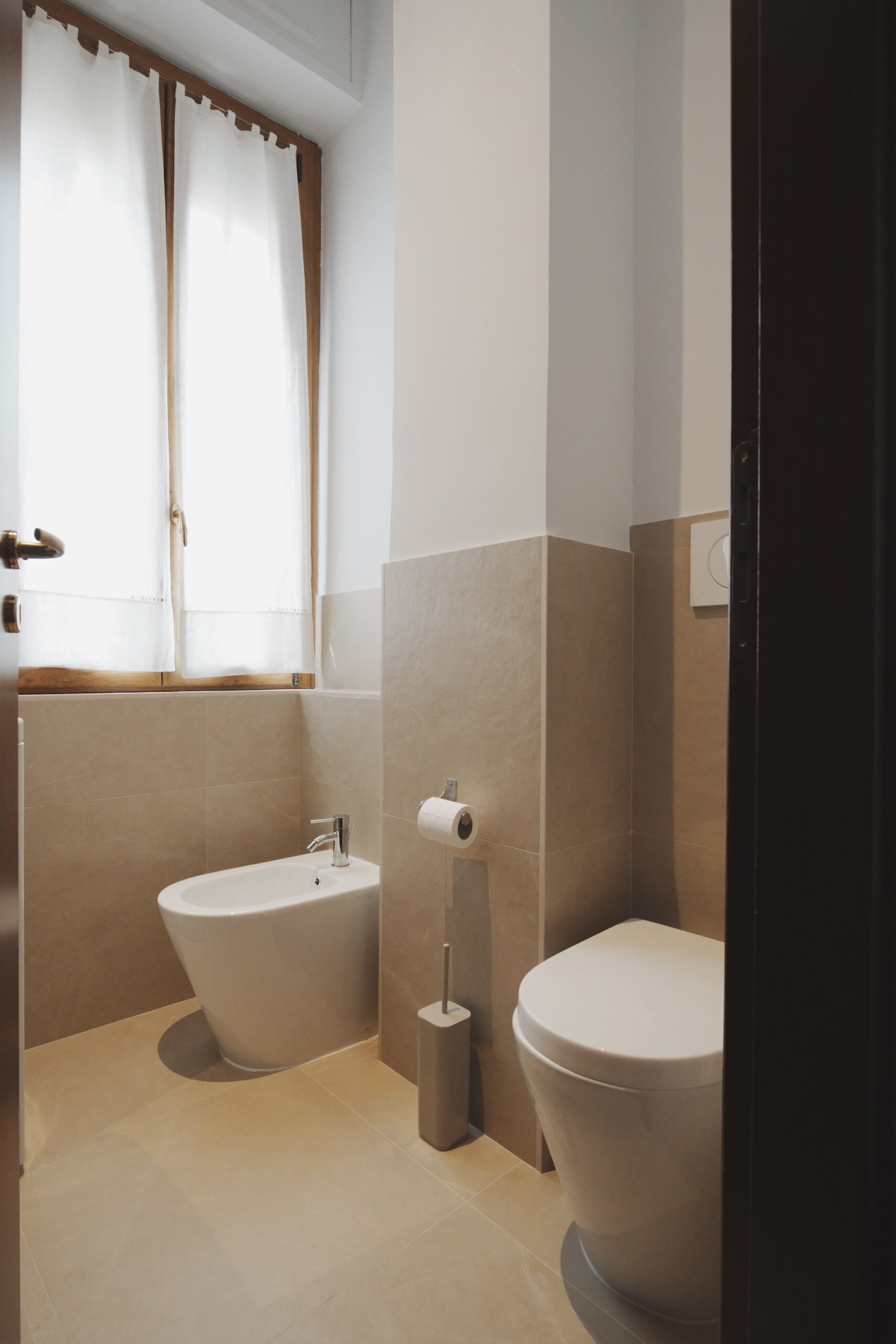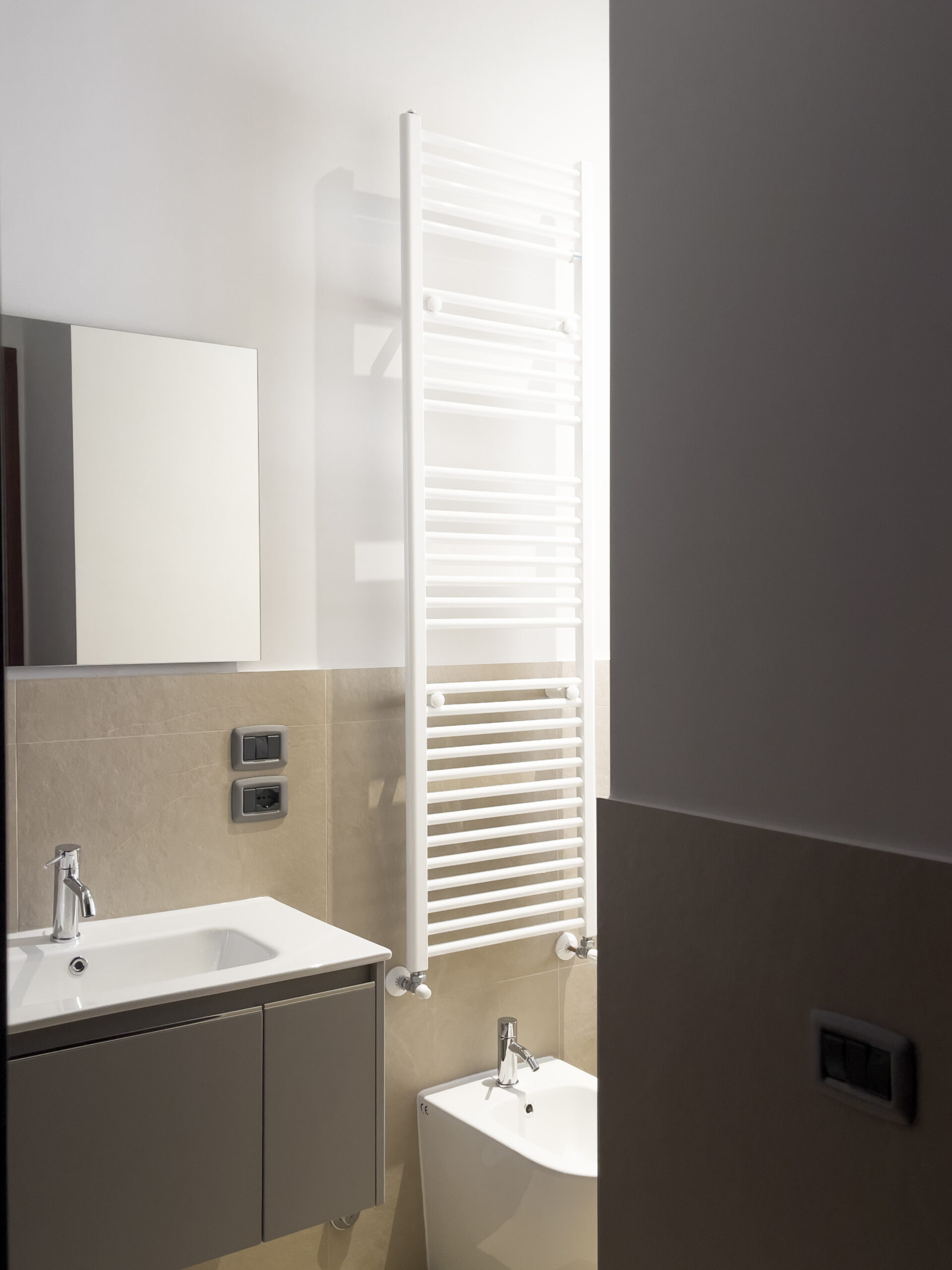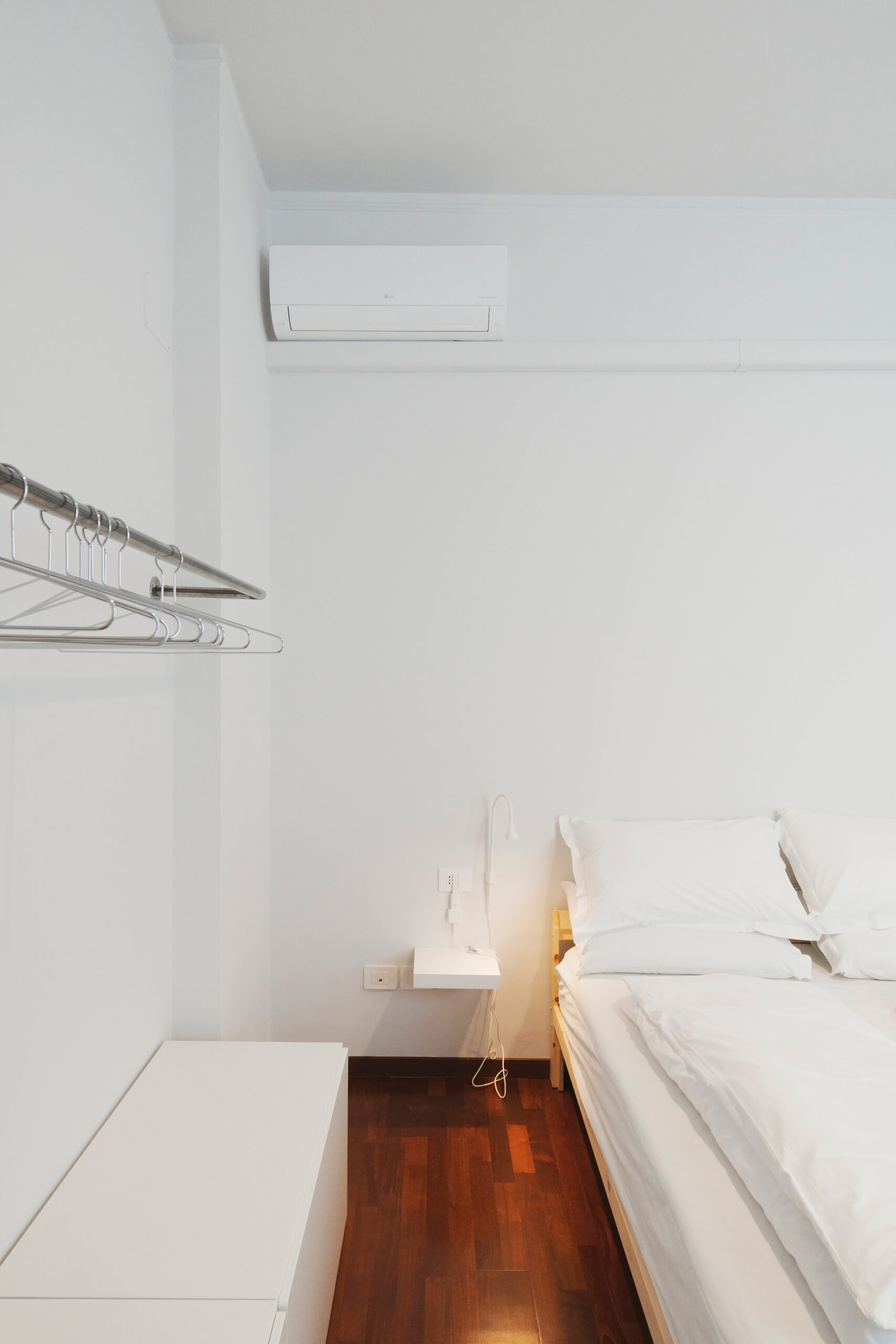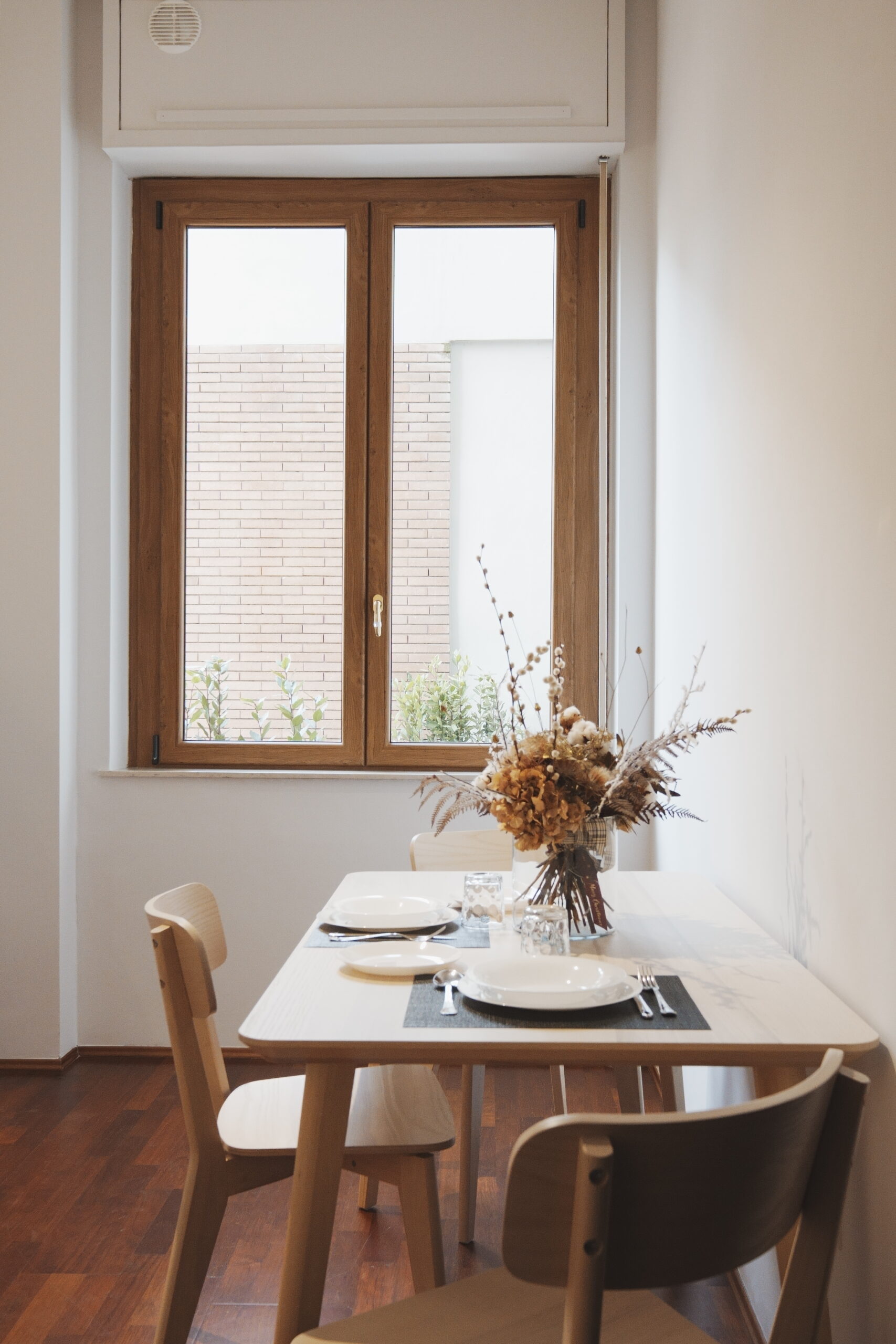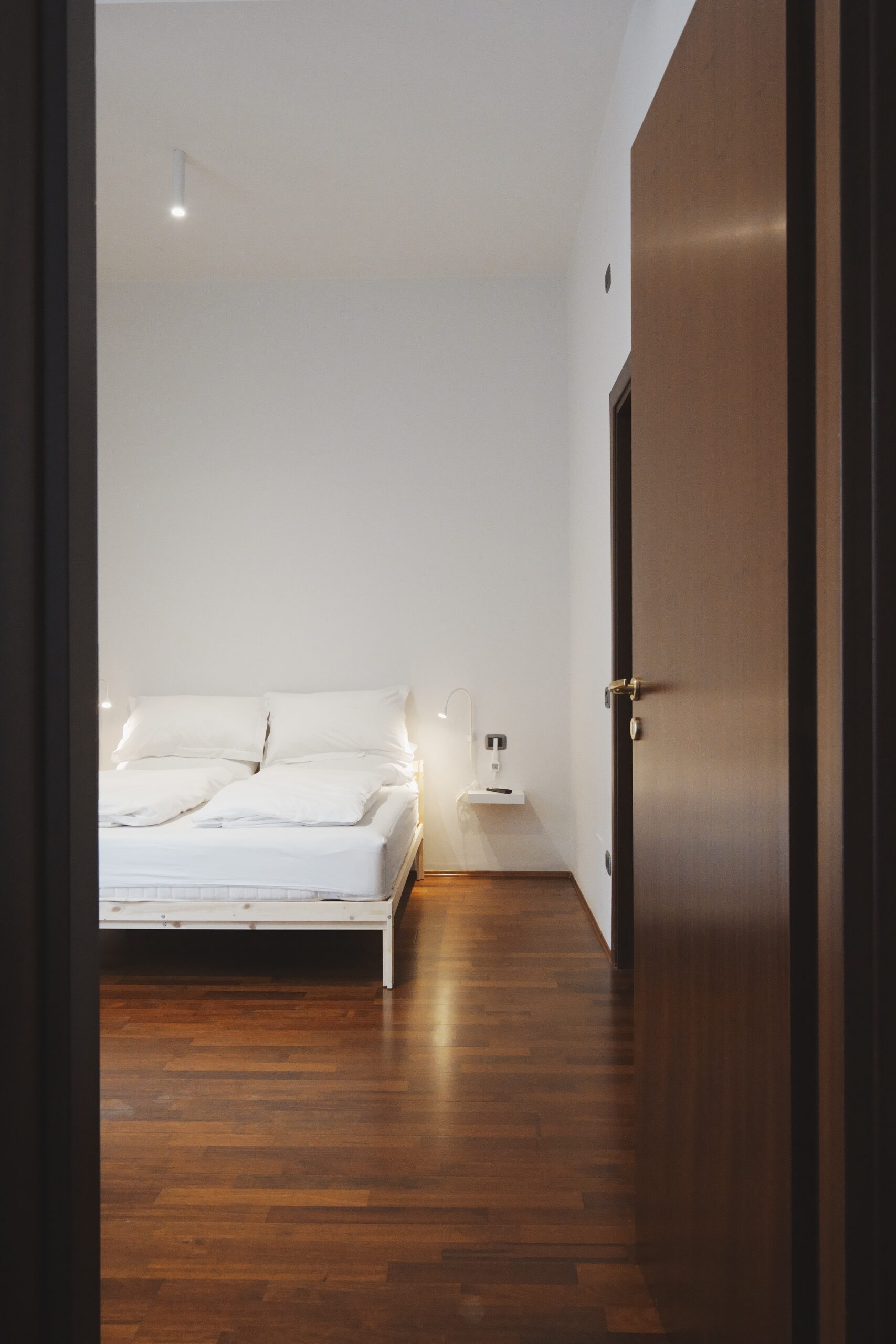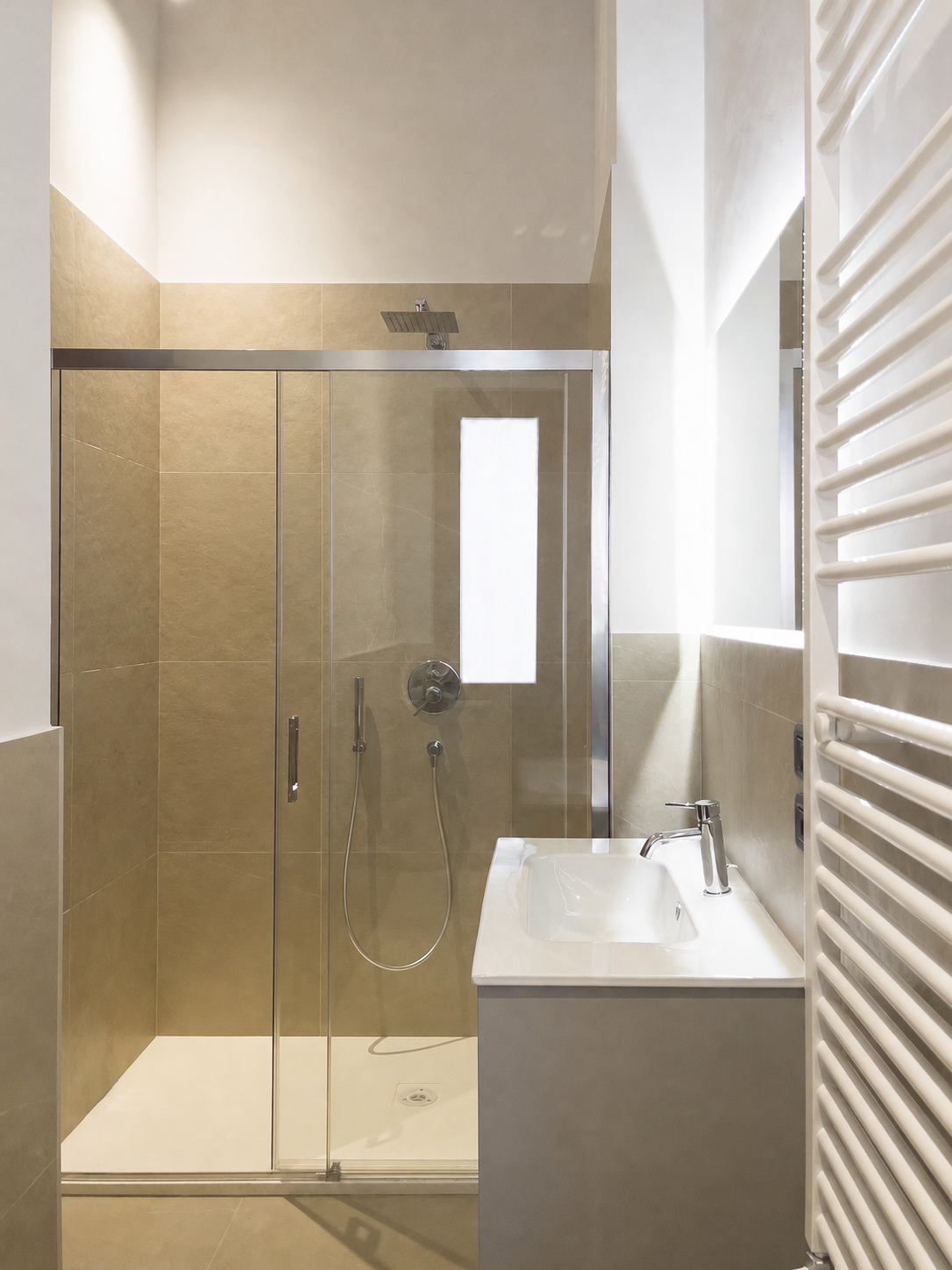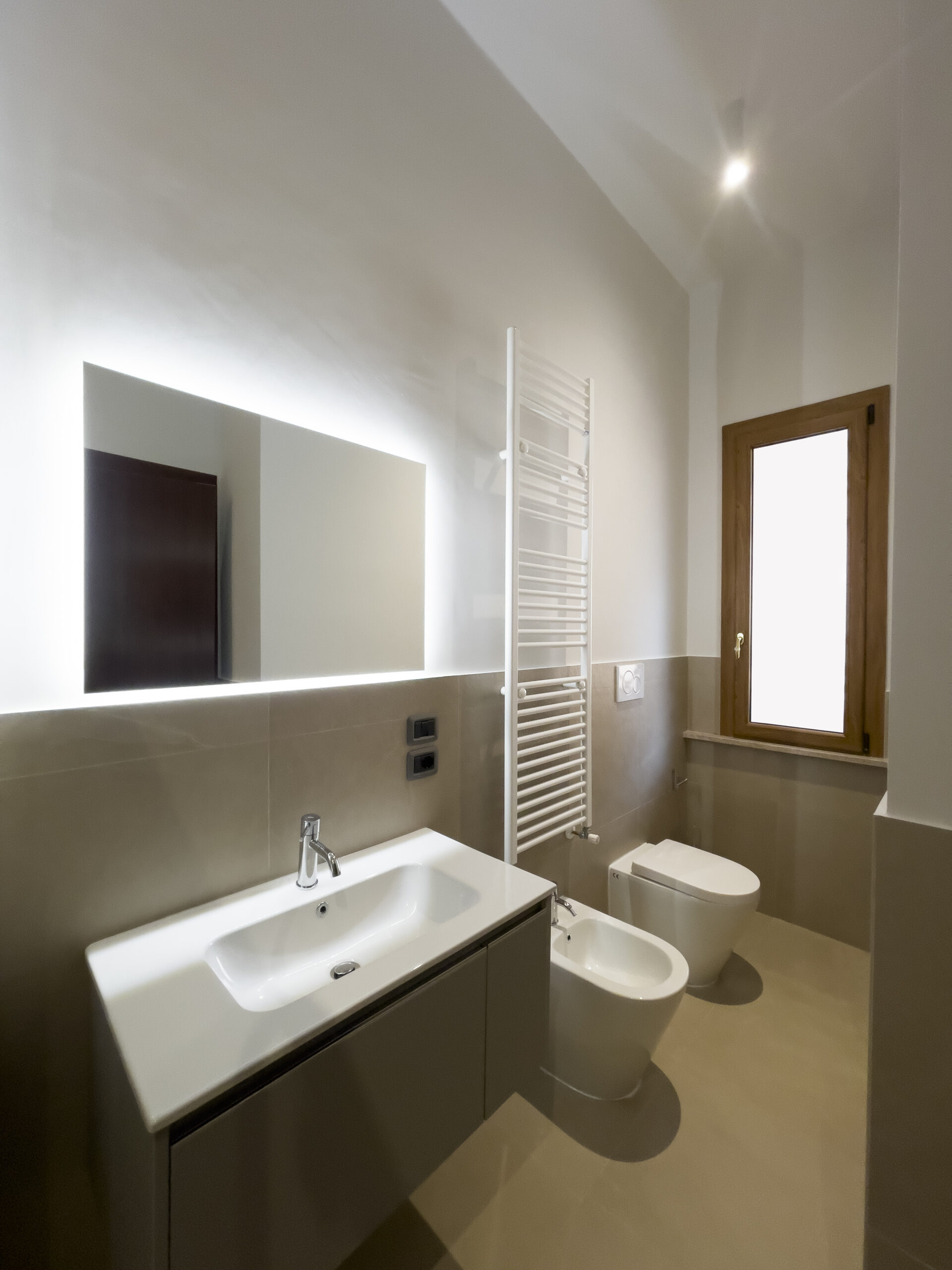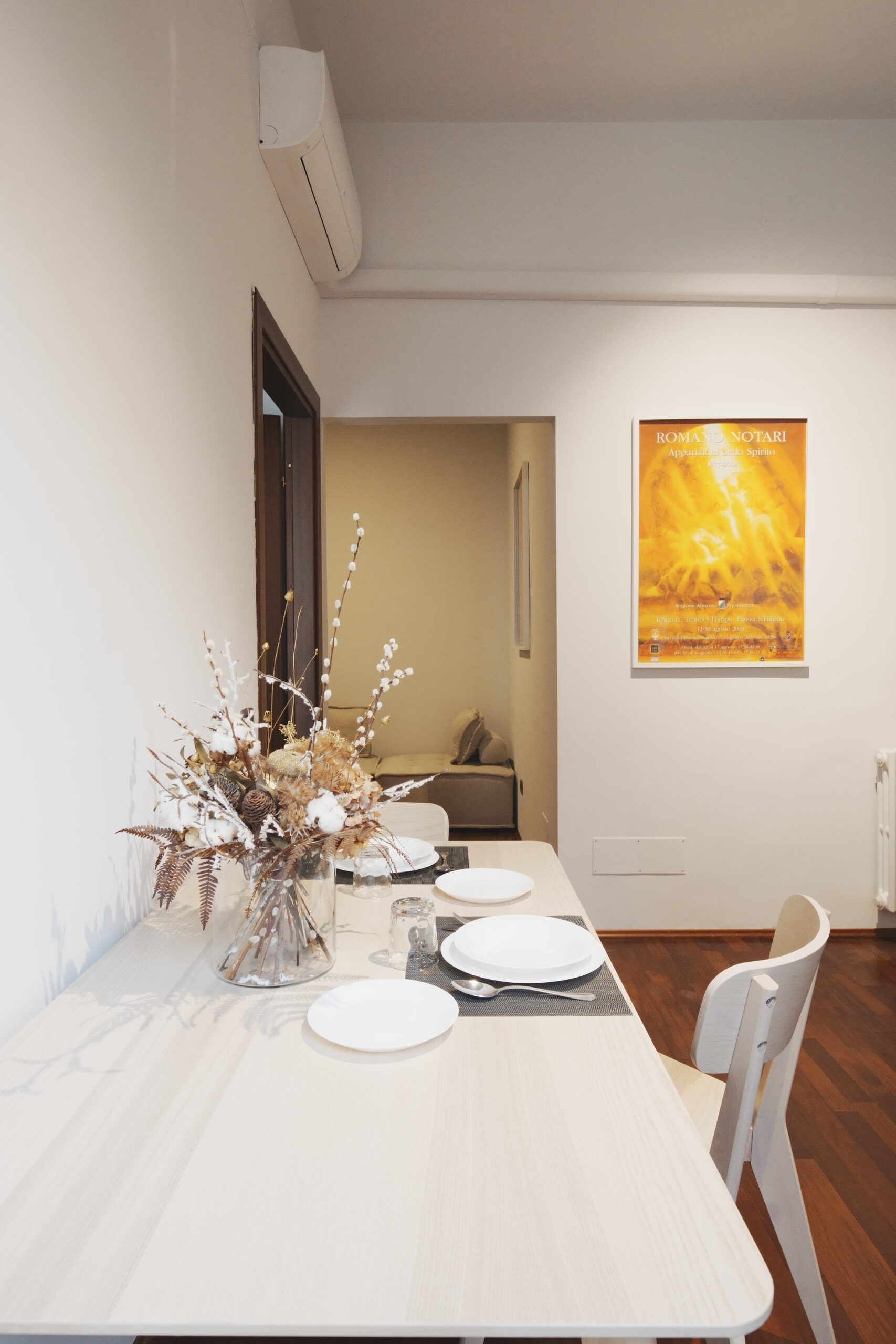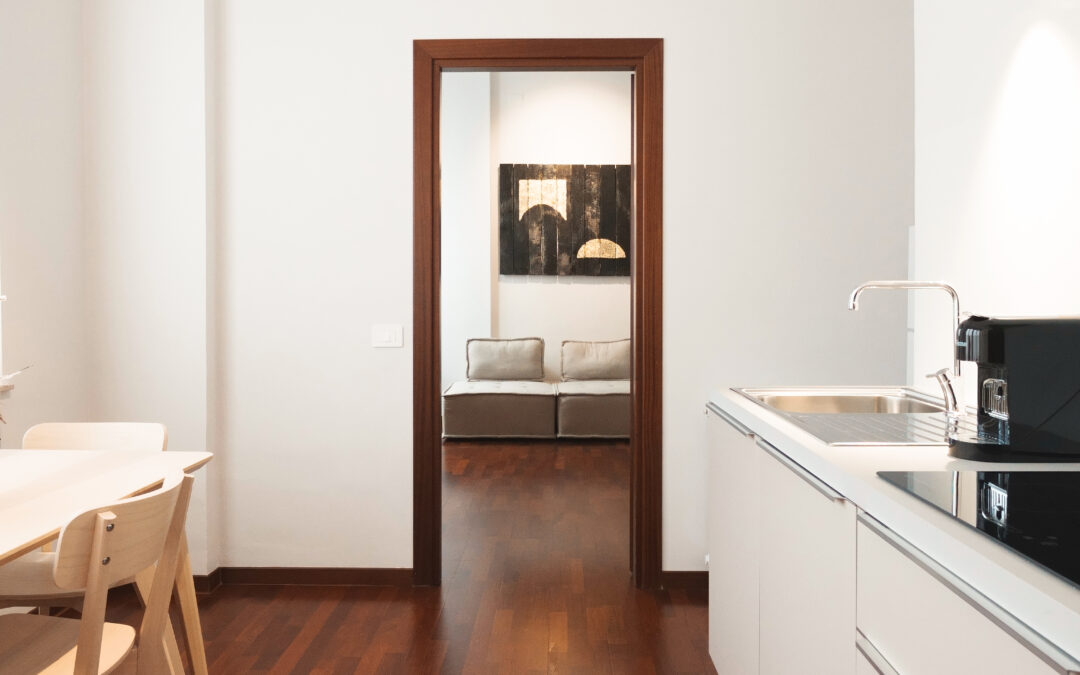
Some time ago, I oversaw the renovation of two small apartments in Umbria intended for high-end holiday rentals.
The client had a clearly defined budget, far from unlimited, and one straightforward question: is it possible to create something truly beautiful without spending twice as much?
The answer is yes. The outcome depends largely on the work that takes place long before construction begins.
When resources are limited, design becomes the most valuable tool in the entire process. It is not an optional stage but the foundation on which every decision is built. A well-developed project establishes priorities, removes unnecessary elements and ensures that every euro is invested where it creates genuine value. Thoughtful layouts, balanced proportions, carefully managed natural light and a restrained, coherent selection of materials often achieve far more than expensive solutions.
In the context of high-end holiday accommodation, this approach becomes even more important. Guests who choose a quality property in Umbria are looking for a consistent and authentic experience. They expect carefully designed interiors, a welcoming atmosphere and details that reflect the character of the place. The goal is not to spend more, but to spend more intelligently. That is only possible when a strong architectural project guides every decision.
Without a clear design strategy, many choices are made during construction. Ideas change, details are revised and problems are solved after they appear. As a result, costs increase and budgets quickly lose control. With a well-defined project, every intervention is planned, evaluated and coordinated in advance. The final result is already understood before work begins. This is how high-quality architecture can be achieved even with modest resources.
As an architect based in Umbria, I personally oversee every stage of the process, from the initial concept through to construction management. Each phase is considered part of a single, integrated vision in which design quality, functionality and financial responsibility work together.
Because meaningful architecture is not determined by the size of the budget. It is determined by the quality of the decisions behind it, the clarity of the vision and the ability to make every resource count.