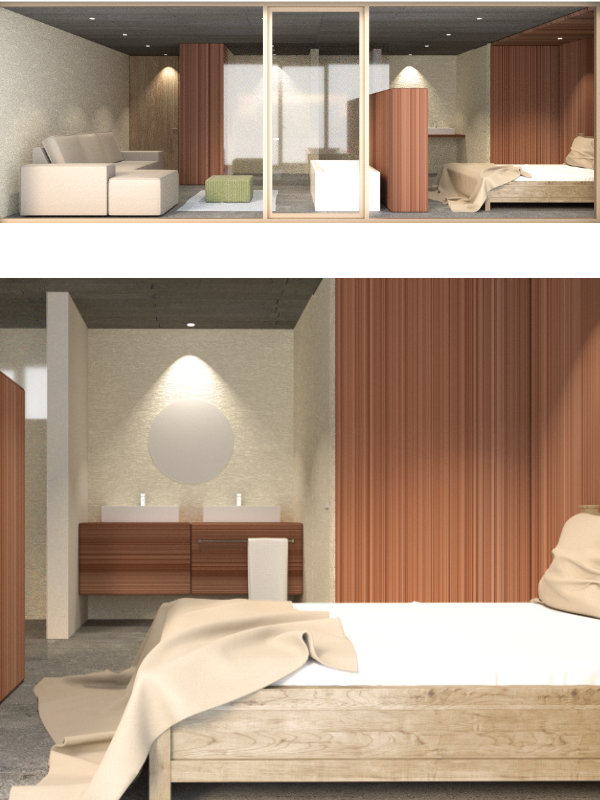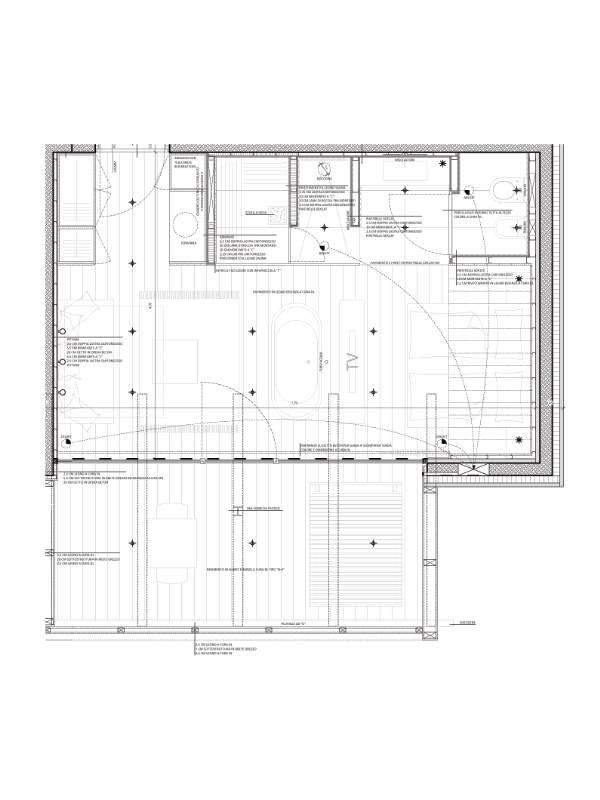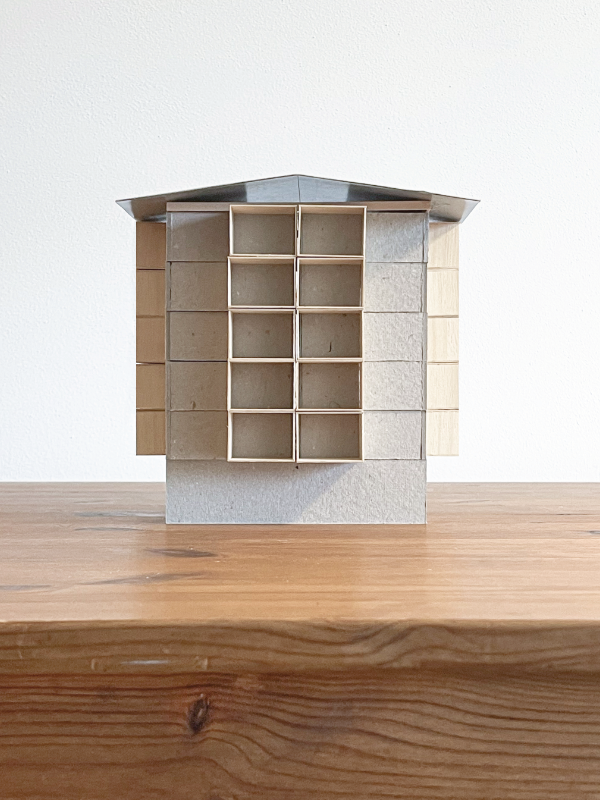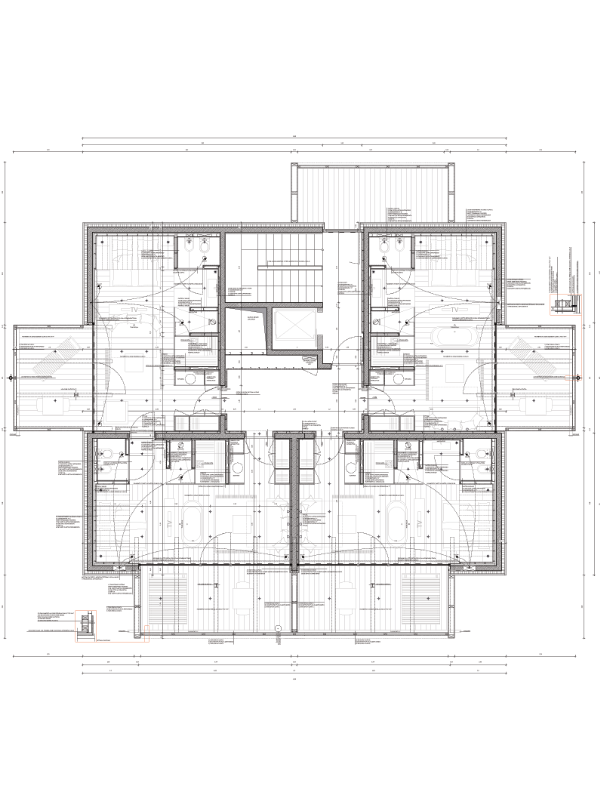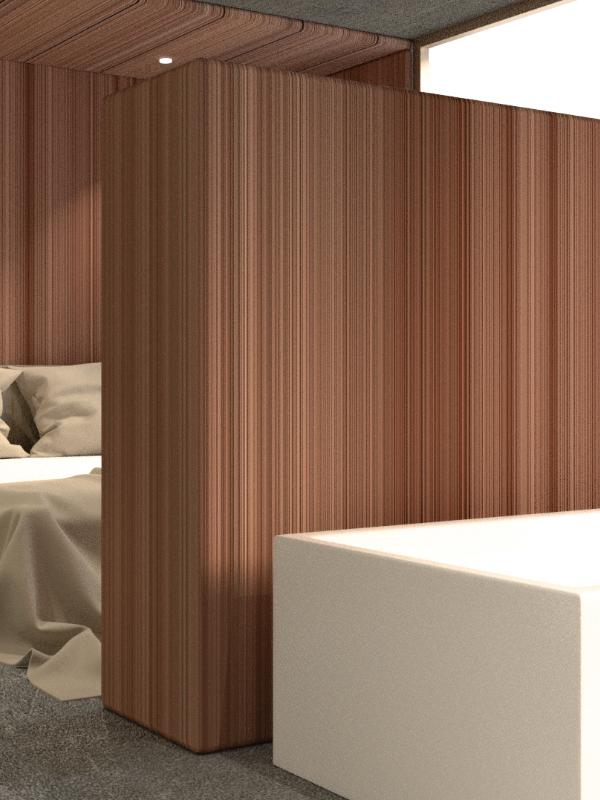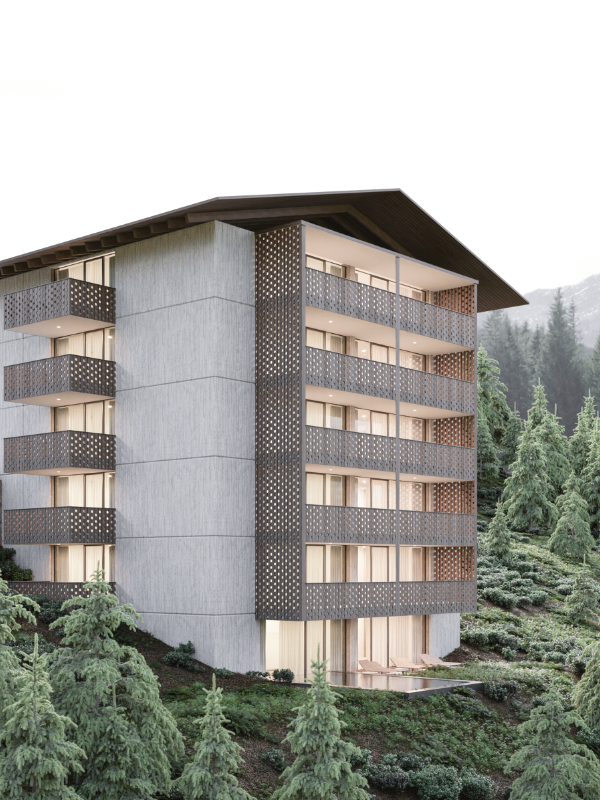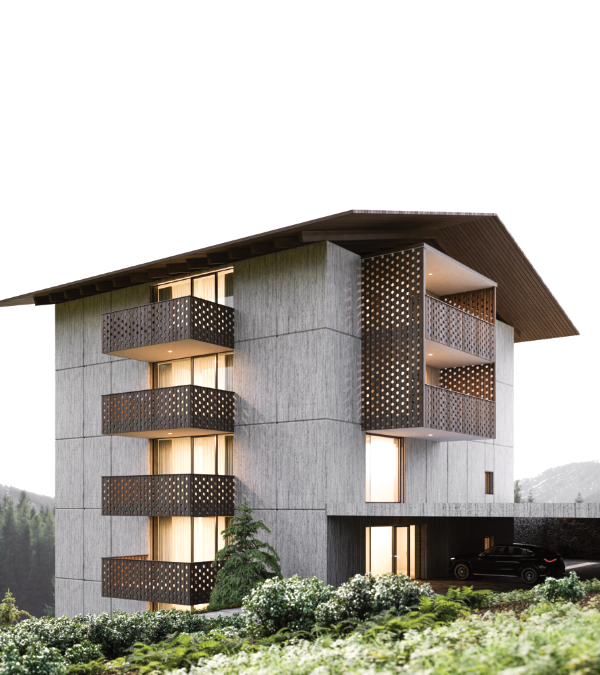
Recently, I had the opportunity to contribute to the design of a hospitality project in a mountain setting, a context that presents both clear constraints and remarkable opportunities.
It is an environment where every architectural decision must respond to the landscape, the climate and the local building traditions.
From the very beginning, the objective was clear. The goal was to create a hotel project that would not simply comply with sustainability requirements, but would embrace them as the foundation of a broader architectural vision. Sustainability was not treated as an obligation, but as an integral part of the project’s identity.
In mountain environments, sustainability is far more than a technical consideration. It is closely connected to the culture and character of the place. Buildings must respond to cold temperatures, snowfall and seasonal variations in natural light. They must reduce heat loss, make effective use of solar gain and employ materials that are both durable and appropriate to their surroundings. Timber, locally sourced stone and natural insulation materials belong naturally to these landscapes while also improving the building’s environmental performance.
A sustainable hotel, however, cannot be measured solely in kilowatt-hours. Its success is equally defined by the experience it offers its guests. Interior spaces should feel warm, welcoming and capable of expressing the identity of the place without relying on clichés. Indoor air quality, natural daylight and visual connections with the surrounding landscape all have a direct impact on guest wellbeing and, ultimately, on the reputation of the property.
The architect’s role in a process like this is to balance a wide range of requirements. Energy performance, spatial quality, architectural identity and both construction and operating costs must be considered together as parts of a coherent whole. This is not something that can be improvised during construction. It requires a clear vision from the earliest stages of design, continuous dialogue with the client and a thorough understanding of the materials and technologies available.
If you are considering a hospitality project, whether in a mountain region or in any other setting, I would be pleased to discuss it with you. Guiding an idea from the first conversation through to the opening of the completed building is one of the aspects of architecture I value most.
Because sustainable architecture does not mean sacrificing beauty. More often, it means discovering it in a more authentic and meaningful way.